

Benzoyl Peroxide 4% vs 10% Wash: Which Strength Is Better for Acne?
Is stronger really better? We compare PanOxyl's 4% Creamy Wash and 10% Foaming Wash, explain how benzoyl peroxide works and help you choose a sensible acne routine.
When you see two acne washes sitting side by side, one labelled 4% and the other 10%, it's tempting to assume the stronger one will clear your skin faster.
But acne skincare doesn't work quite like that.
Benzoyl peroxide is a well-established acne treatment. Choosing the right concentration involves more than looking for the biggest number on the tube.
You also have to think about sensitivity, dryness, where the breakouts occur and how much treatment your skin can tolerate.
Let's compare the two strengths using PanOxyl as an example.
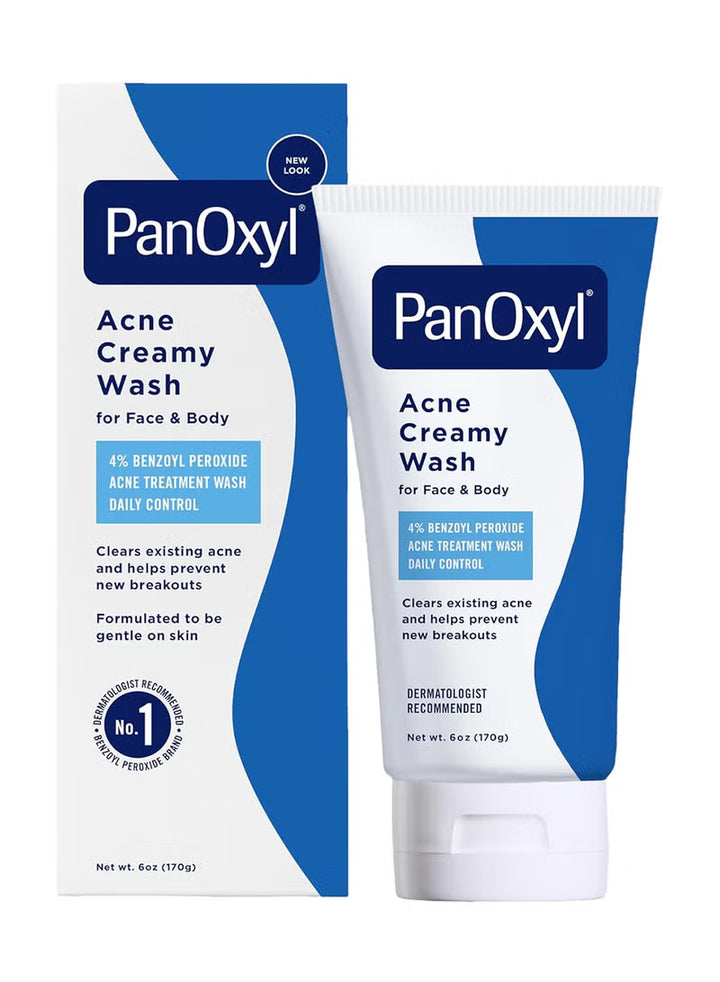
PanOxyl Acne Creamy Wash
A creamy acne wash with 4% benzoyl peroxide, formulated to treat blemishes while helping reduce the dryness associated with acne cleansing.
Often the more sensible starting point when tolerability is a priority.
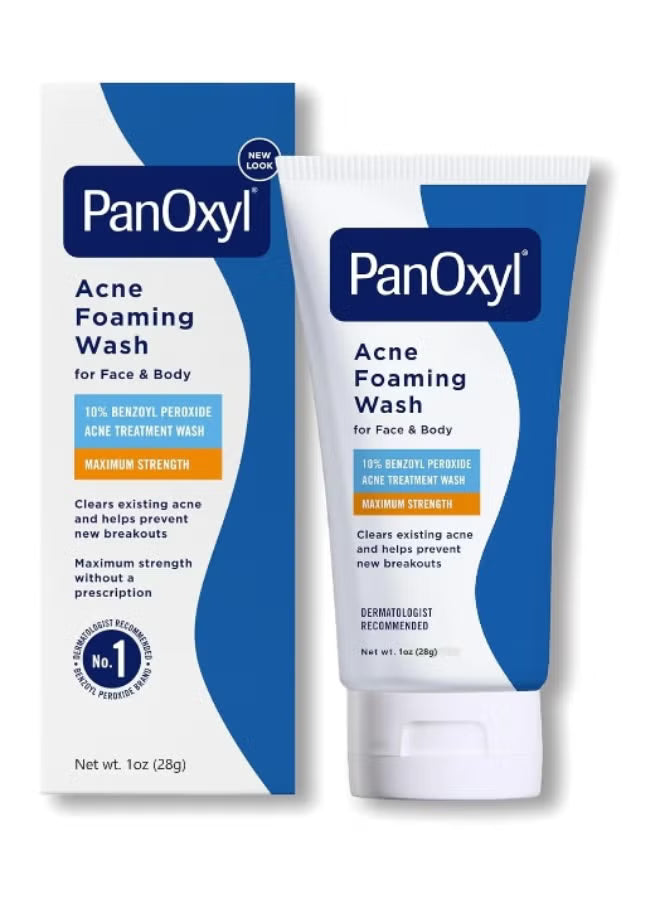
PanOxyl Acne Foaming Wash
A higher-strength benzoyl peroxide cleanser developed for acne-prone skin. It contains 10% active benzoyl peroxide.
Greater concentration does not automatically mean better results for every person.
What Is Benzoyl Peroxide and How Does It Work?
Benzoyl peroxide is an acne-treatment ingredient that helps reduce acne-associated bacteria and has additional effects relevant to blemishes.
Unlike a basic facial cleanser, a benzoyl peroxide wash contains an active acne medication.
That distinction matters. It means the wash can provide treatment benefits but also carries a risk of dryness and irritation.
What Does the Percentage Mean?
The percentage indicates how much benzoyl peroxide is present in the formula.
A 4% wash contains a lower concentration than a 10% wash.
However, the finished formula also matters. A creamy base with moisturising ingredients can feel different from a foaming treatment.
Don't assume a higher percentage guarantees faster or more complete acne clearance. Tolerating a treatment consistently can matter more than choosing maximum strength.
Benzoyl Peroxide 4% vs 10%: The Main Differences
| Feature | 4% Wash | 10% Wash |
|---|---|---|
| Active concentration | 4% benzoyl peroxide | 10% benzoyl peroxide |
| PanOxyl example | Creamy Wash | Foaming Wash |
| Typical starting choice | Often preferable for beginners | More appropriate when higher strength is specifically needed |
| Dryness potential | Still possible, but generally the gentler formulation | May be more irritating |
| Face use | Often the more reasonable starting option | Use cautiously according to instructions |
| Chest and back acne | Can be used | Can be used |
| Can stain fabrics? | Yes | Yes |
| Works instantly? | No | No |
A common mistake is to compare the two percentages without considering the cleanser formula.
PanOxyl's 4% Creamy Wash includes humectants and emollients to help minimise the feeling of dryness.
The 10% Foaming Wash offers a higher concentration, which may not be necessary for everyone.
Why 4% Benzoyl Peroxide Is Often a Better Starting Point
If you're just beginning a benzoyl peroxide routine, starting with a lower concentration is often more practical.
1. It Can Still Treat Acne
A lower concentration does not mean the ingredient stops being effective.
Benzoyl peroxide remains an acne treatment at 4%.
2. The Formula Is Designed for Comfort
PanOxyl Creamy Wash includes ingredients intended to reduce the dryness associated with acne treatments.
That does not guarantee that sensitive skin won't react.
3. It May Be Easier to Use Consistently
If a product makes your skin burn or peel severely, you may struggle to keep using it.
Starting with a better-tolerated treatment can make the routine easier to maintain.
4. It Can Be Used on Face and Body
PanOxyl positions its 4% Creamy Wash for face, chest and back acne.
Someone new to benzoyl peroxide, concerned about dryness, or looking for a more tolerable facial acne routine.
When Might 10% Benzoyl Peroxide Make Sense?
A 10% cleanser contains a higher concentration of benzoyl peroxide.
PanOxyl describes its Foaming Wash as a maximum-strength over-the-counter acne wash.
Acne on the Body
Some people consider 10% formulas for persistent breakouts on the chest, shoulders or back.
But higher concentration is not mandatory for body acne.
A 4% wash may already be enough, depending on individual needs.
When Lower Strength Hasn't Been Enough
If acne persists despite a consistent lower-strength routine, a dermatologist can help decide whether a stronger wash or a different treatment would be more useful.
Why Not Start With 10% Automatically?
Higher concentrations may increase irritation without providing a proportionate benefit for everyone.
Don't jump to 10% solely because you have a few pimples. Your skin's tolerance and the severity of the acne should guide treatment.
Face Acne vs Back Acne: Does Location Matter?
Yes, because different areas of the skin may tolerate products differently.
Facial Acne
Facial skin can become irritated when multiple acne treatments are introduced too quickly.
A lower-strength wash is often the more sensible first option.
Back and Chest Acne
Body acne can be associated with sweat, friction, occlusive clothing and other factors.
Benzoyl peroxide washes can be used on these areas according to product directions.
However, itchy, uniform-looking bumps aren't always ordinary acne.
If the diagnosis is uncertain, seek professional assessment.
Read YesOra's complete body acne guide for UAE heat to understand how sweat and body-care habits affect breakouts.
How to Use a Benzoyl Peroxide Acne Wash Correctly
PanOxyl's official instructions for its 4% and 10% washes recommend applying the cleanser to wet skin, massaging gently for approximately one to two minutes, rinsing thoroughly and patting dry.
How Often Should You Use It?
PanOxyl recommends beginning once daily, increasing to twice daily only if needed and tolerated or directed by a clinician.
People with particularly reactive skin may need a more cautious schedule with professional advice.
If persistent dryness, irritation or peeling occurs, reduce frequency or stop the product as appropriate.
Avoid your eyes, lips and mouth. Do not apply to broken skin. Follow the current package directions, and stop use for severe irritation or an allergic reaction.
Simple Acne Skincare Routines
A good acne routine doesn't need five different treatments.
Start with the few steps that serve a clear purpose.
A Simpler Routine
- Use benzoyl peroxide wash as directed.
- Apply a suitable moisturiser.
- Use sunscreen during the day.
- Avoid introducing several new treatments together.
A Practical Shower Routine
- Wet the acne-prone area.
- Use one appropriate acne wash.
- Rinse thoroughly.
- Use clean, comfortable clothing.
- Moisturise if the skin feels dry.
Should You Wash Your Face Again at Night?
If you use benzoyl peroxide in the morning, your evening cleanser doesn't automatically need to contain another acne medication.
A simple gentle cleanser may be more comfortable.
For another way to think about acne cleansing, see the CeraVe acne cleanser comparison .
Can You Combine Benzoyl Peroxide With Other Acne Ingredients?
Salicylic Acid
Salicylic acid is often used when clogged pores and blackheads are a concern.
Benzoyl peroxide has a different mechanism, with antibacterial activity against acne-associated bacteria.
Using both may be appropriate for some people, but starting them together can increase irritation.
Retinol and Retinoids
Retinoids can play an important role in acne care, but combining treatments requires attention to irritation and product instructions.
If you use a prescription retinoid, follow your dermatologist's guidance.
Niacinamide
Niacinamide may complement some acne routines, particularly those focused on skin comfort and uneven-looking tone.
Explore the niacinamide guide for oily skin for more ingredient education.
Exfoliating Toners
Don't assume every acne routine needs an exfoliating toner alongside its medicated wash.
Excessive layering may cause more discomfort than benefit.
If you're new to acne treatments, keep the routine simple while learning what your skin tolerates.
Possible Side Effects and Important Precautions
Benzoyl peroxide is effective for acne, but it isn't free from side effects.
Dryness and Peeling
The ingredient can cause dryness, especially during the introduction period.
Redness and Irritation
Burning, persistent redness or excessive peeling are signs that the routine may be too harsh.
Fabric Bleaching
Benzoyl peroxide can bleach coloured towels, pillowcases and clothing.
Rinse thoroughly and take care with fabrics.
Allergic Reactions
Rare but serious reactions can occur with topical acne products.
Stop use and seek urgent medical help for symptoms such as facial swelling, difficulty breathing or severe allergic reactions.
Pregnancy or Medical Skin Conditions
If you're pregnant, breastfeeding or managing a medical skin condition, consult a qualified healthcare professional about appropriate acne treatment.
Deep, painful, widespread or scarring acne deserves a dermatologist's assessment rather than repeated experimentation with stronger washes.
Managing Acne in the UAE Climate
Heat and Sweat
Dubai, Abu Dhabi and other UAE cities experience extended periods of hot weather.
Sweat, friction and occlusive clothing can make body acne care feel more challenging.
Shower after heavy sweating when practical, and avoid aggressive scrubbing.
Air Conditioning
Skin may still feel dry after long hours indoors.
A lightweight moisturiser can help maintain comfort alongside an acne wash.
Sunscreen
Consistent UV protection remains important for skin health, particularly when post-acne dark marks are a concern.
Body Acne and Clothing
Choose breathable clothing when possible, and change out of sweaty gym clothes rather than leaving them against the skin.
For a more detailed body-care routine, visit YesOra's body acne in UAE heat guide .
Explore Acne Skincare at YesOra Beauty
YesOra's catalogue includes PanOxyl 4% and 10% benzoyl peroxide wash listings.
Their different concentrations help illustrate how acne routines can be adjusted to individual tolerance.
When reviewing acne skincare, don't focus on strength alone.
Choose an Acne Routine That Works for Your Skin
Explore acne-related skincare categories and compare current listings, directions and availability before making a choice.
Explore Skincare Collections →What Should You Look for in an Acne Cleanser?
| Your Concern | What to Prioritise |
|---|---|
| Inflamed pimples | Appropriate acne treatment such as benzoyl peroxide |
| Blackheads | Consider ingredients used for clogged pores |
| Dry and irritated skin | Gentle cleansing and moisture support |
| Acne on back and shoulders | Suitable body-acne routine and assessment |
| Deep or scarring acne | Professional acne treatment |
A cleanser should address the kind of acne you're actually experiencing. The strongest product isn't always the right product.
Frequently Asked Questions
Is 10% benzoyl peroxide better than 4%?
Not necessarily. Both strengths contain an established acne treatment. Higher concentration may increase irritation, and 4% can be a more comfortable starting option.
Which strength is better for beginners?
A lower-strength formula such as 4% is often a more reasonable starting point. Follow product directions and monitor tolerance.
Can I use benzoyl peroxide on my back?
PanOxyl acne washes are intended for acne-prone areas including the back, chest and shoulders. Avoid eyes and other sensitive areas.
Can I use benzoyl peroxide every day?
The manufacturer recommends starting once daily and adjusting according to need and tolerance. Irritated skin may require less frequent use.
Can benzoyl peroxide bleach towels?
Yes. Benzoyl peroxide can discolour fabrics, including towels, clothing and pillowcases. Rinse thoroughly.
How long does benzoyl peroxide take to work?
Improvement varies, but acne treatment often requires several weeks of consistent use. Consult a clinician if acne is worsening or not improving.
Can I combine benzoyl peroxide with salicylic acid?
Some regimens use both ingredients, but the combination can increase dryness and irritation. Introduce cautiously or seek professional guidance.
Is PanOxyl suitable for sensitive skin?
Benzoyl peroxide can irritate sensitive skin. PanOxyl's 4% Creamy Wash has a moisturising formulation, but sensitivity is still possible.
The Bottom Line: Should You Choose 4% or 10%?
If you're new to benzoyl peroxide, 4% is often the more practical starting point.
PanOxyl's 4% Creamy Wash combines an acne-treatment ingredient with a formulation designed to help limit dryness.
The 10% Foaming Wash offers higher strength, but this does not mean everyone should start there.
If acne is persistent, deep, widespread or causing scars, the best next step may be professional acne care rather than stronger cleansing.
Choose the lowest strength and simplest routine that effectively addresses your acne while remaining tolerable. More isn't always better.
Better Acne Care Starts With Better Choices
Explore YesOra Beauty's acne skincare categories and learn how ingredients fit into a comfortable, consistent routine.
Explore PanOxyl at YesOra Beauty →This article provides educational information and does not replace medical advice. Benzoyl peroxide can cause dryness, irritation and allergic reactions. Follow the package directions and consult a qualified healthcare professional for severe, persistent or scarring acne. Product photographs are used for editorial comparison and do not confirm current stock.