



Blemish Control Gel: exfoliate without wrecking your barrier
This leave-on acne treatment combines 2% salicylic acid with glycolic and lactic acids. Here is how to introduce it gradually, what not to stack with it and why sunscreen matters even more in the UAE.

CeraVe Blemish Control Gel: How to Use AHA and BHA Safely
CeraVe Blemish Control Gel is a leave-on treatment for blemish-prone skin that combines 2% salicylic acid/BHA with glycolic and lactic AHAs, plus niacinamide and three essential ceramides. Used gradually, it can target breakouts, blackheads, visible pores and uneven texture without turning your routine into an acid overload.
A cleanser containing salicylic acid is one thing. A leave-on treatment containing salicylic acid plus glycolic and lactic acids is another.
That is why CeraVe Blemish Control Gel should be introduced more carefully than a basic face wash.
The official 40ml formula contains 2% salicylic acid together with glycolic acid and lactic acid, creating a combined AHA/BHA exfoliating treatment for blemish-prone skin.
A current dedicated YesOra product page could not be verified at publication, so check current CeraVe Blemish Control Gel availability rather than relying on an old or invented product URL.
What is CeraVe Blemish Control Gel?
CeraVe Blemish Control Gel is a lightweight leave-on facial treatment designed for blemish-prone skin.
It is not simply a moisturiser and it is not a rinse-off cleanser.
The official CeraVe formula combines:
- 2% salicylic acid,
- glycolic acid,
- lactic acid,
- niacinamide,
- three essential ceramides,
- and sodium hyaluronate.
Unlike CeraVe Blemish Control Cleanser, which is rinsed away, Blemish Control Gel stays on the skin. That longer contact time is one reason beginners should introduce it gradually.
AHA vs BHA: what is actually inside the gel?
The product uses both major classes of hydroxy-acid exfoliants.
| Ingredient | Acid Type | Main Role |
|---|---|---|
| Salicylic acid 2% | BHA | Helps exfoliate within oily, clogged pores and target blemish-prone skin |
| Glycolic acid | AHA | Supports surface exfoliation and smoother-looking texture |
| Lactic acid | AHA | Provides additional gentle surface exfoliation |
Why combine them?
BHA is especially relevant to oil, congestion and clogged pores, while AHAs work more strongly at the skin surface.
A combined formula can therefore address:
- blackheads,
- whiteheads,
- blemishes,
- visible pores,
- uneven-feeling texture,
- and dull surface buildup.
AHA + BHA can be effective, but irritation can make an acne routine harder to maintain. The goal is consistent exfoliation, not maximum exfoliation.
Key ingredients explained
2% salicylic acid
Salicylic acid is a BHA commonly used for acne-prone skin because it supports exfoliation and helps address clogged pores.
Glycolic acid
Glycolic acid is an AHA that helps remove dead surface cells and improve the appearance of skin texture.
Lactic acid
Lactic acid is another AHA that supports surface exfoliation.
Niacinamide
Niacinamide gives the formula a calming and barrier-support angle, which is useful in a product that already contains several exfoliating acids.
Three essential ceramides
CeraVe includes ceramide NP, AP and EOP to support the skin's protective barrier.
Learn more: CeraVe Ceramides Explained .
Who should use CeraVe Blemish Control Gel?
Oily, blemish-prone skin
This is the clearest use case, especially when breakouts overlap with congestion and visible pores.
Blackheads and whiteheads
The 2% salicylic-acid component makes the gel particularly relevant to clogged pores.
Uneven texture after repeated breakouts
The combination of AHAs and BHA can improve the look and feel of surface texture.
People who want a leave-on acne treatment
If an active cleanser alone is not enough, a leave-on treatment can provide longer contact with exfoliating ingredients.
Who should be more cautious?
Be conservative if your skin is:
- very dry,
- highly sensitive,
- currently peeling,
- sunburned,
- freshly irritated from shaving,
- or already using several exfoliating products.
Products to compare in a CeraVe blemish routine
CERAVE
CeraVe Blemish Control Gel 40ml
Leave-on treatment for blemish-prone skin with 2% salicylic acid/BHA plus glycolic and lactic AHAs, niacinamide and three essential ceramides. Introduce gradually rather than treating it like a basic moisturiser.
Check Current Availability
CERAVE
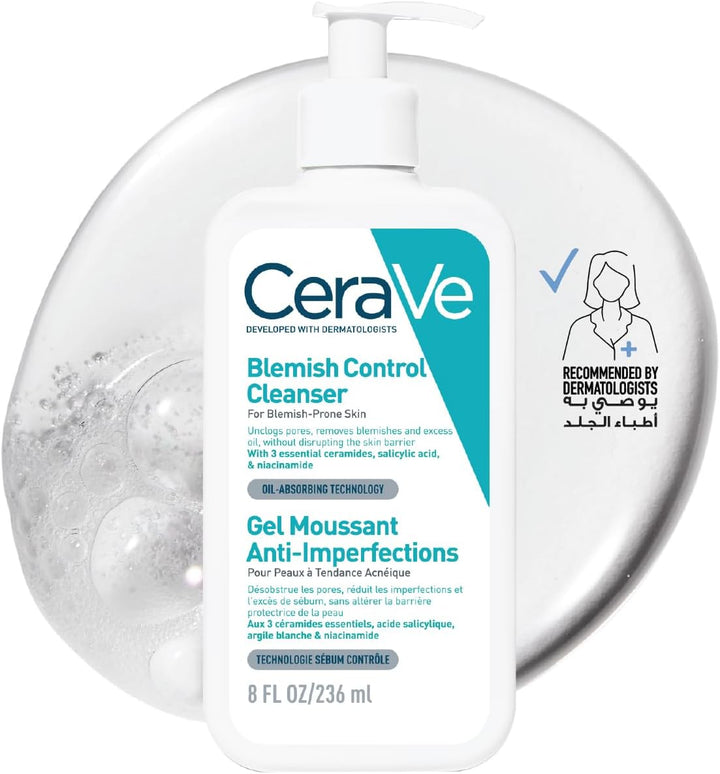
CeraVe Blemish Control Cleanser 236ml
Rinse-off acne cleanser with 2% salicylic acid, niacinamide, ceramides and oil-absorbing technology. A simpler active step than the leave-on AHA/BHA gel.
AED 61

CERAVE
CeraVe Foaming Cleanser 236ml
A basic normal-to-oily skin cleanser that can be useful on nights when you want the Blemish Control Gel to be your main active rather than stacking salicylic acid at multiple steps.
Check Current Price
CERAVE
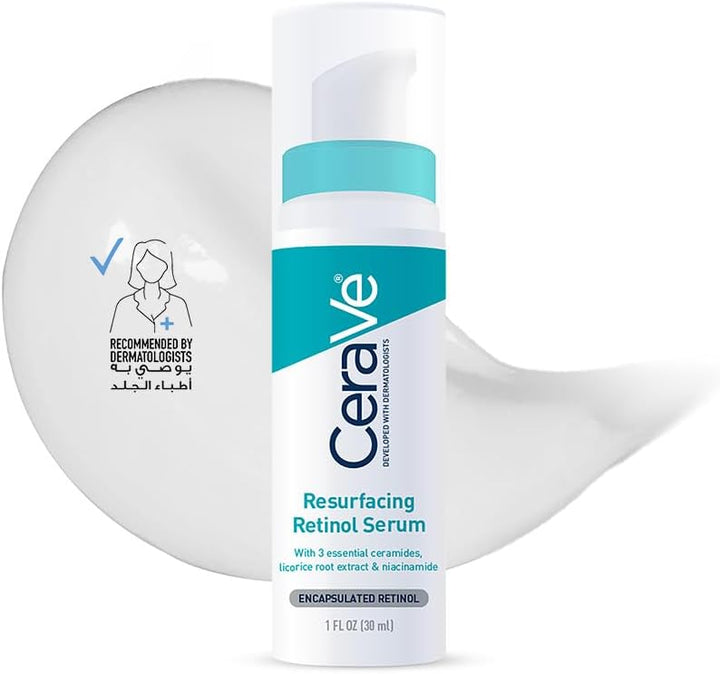
CeraVe Resurfacing Retinol Serum 30ml
A separate leave-on retinol treatment for post-acne marks, visible pores and uneven texture. Beginners should usually alternate it with strong AHA/BHA treatments instead of layering both together.
Check Current Price
How to use CeraVe Blemish Control Gel
How often should beginners use CeraVe Blemish Control Gel?
The official 40ml Blemish Control Gel guidance recommends building up gradually to avoid over-drying.
For a cautious beginner, there is no need to rush toward daily use.
| Stage | Practical Frequency | What to Watch |
|---|---|---|
| First 1–2 weeks | Every 2–3 nights | Stinging, persistent redness, tightness or peeling |
| If comfortable | Every other night | Whether the skin remains comfortable between applications |
| Established tolerance | Daily if needed and tolerated | Do not increase simply because the product stops tingling |
| Dryness develops | Reduce to every other day or less | Allow the barrier to recover |
Using an AHA/BHA gel every third night consistently can be better than using it twice daily for one week, irritating your skin and stopping completely.
What should you avoid mixing with Blemish Control Gel initially?
Retinol
Both retinol and AHA/BHA treatments can increase irritation when introduced aggressively.
If you use CeraVe Resurfacing Retinol Serum , alternate nights at first.
Strong leave-on salicylic acid
The gel already contains 2% salicylic acid. Another leave-on BHA serum is usually unnecessary in the same routine.
Glycolic-acid toner
The product already contains glycolic acid. Adding another strong AHA step can increase cumulative exfoliation without a clear reason.
Physical scrubs
Avoid aggressive grainy scrubs, abrasive cleansing brushes and rough exfoliating tools.
Multiple acid cleansers
If your face is becoming tight, switch to a simpler cleanser rather than assuming every routine step needs an acne active.
A good beginner routine can be: gentle cleanser → Blemish Control Gel → moisturiser. Nothing else needs to exfoliate that night.
Blemish Control Gel vs Blemish Control Cleanser
| Feature | Blemish Control Gel | Blemish Control Cleanser |
|---|---|---|
| Product type | Leave-on treatment | Rinse-off cleanser |
| Salicylic acid | 2% | 2% |
| AHAs | Glycolic + lactic acids | No AHA headline treatment blend |
| Contact time | Remains on skin | Rinsed away |
| Best role | Targeted leave-on acne and texture treatment | Daily cleansing for oily blemish-prone skin |
| Beginner irritation potential | Higher if overused | Usually easier to integrate because it is rinsed off |
You can technically use products from the same Blemish Control range together, but there is no rule saying you must.
If using both creates tightness, replace one cleanse with CeraVe Foaming Cleanser or another gentle cleanser.
Read the cleanser guide: CeraVe Blemish Control Cleanser: BHA Guide .
CeraVe Blemish Control Gel vs retinol
These products overlap in some goals but work through different routes.
Blemish Control Gel
Better aligned with:
- active clogged pores,
- blackheads,
- whiteheads,
- oil-related congestion,
- and exfoliating rough breakout-prone texture.
Resurfacing Retinol Serum
Better aligned with:
- post-acne marks,
- uneven-looking texture,
- visible pores,
- and longer-term resurfacing after active breakouts settle.
CeraVe's own blemish routine guidance suggests using the Blemish Control Gel in the evening, while its Resurfacing Retinol Serum is another PM option when post-acne marks become the main concern.
Using AHA and BHA safely in UAE weather
This section matters because the UAE combines strong UV exposure, high outdoor heat and frequent indoor air conditioning.
Use the gel mainly at night
The 40ml CeraVe Blemish Control Gel guidance recommends evening use.
Take sunscreen seriously
The formula contains AHAs, and CeraVe specifically warns that AHAs can increase sun sensitivity.
Use broad-spectrum sunscreen during the day and limit unnecessary sun exposure.
Watch air-conditioning dryness
Acne-prone skin can still become dehydrated after long periods indoors.
If the gel begins causing tightness, reduce frequency instead of adding several more serums.
Do not exfoliate every time you sweat
After heavy gym sessions or outdoor activity, cleanse sweat away, but your skin does not need a leave-on AHA/BHA treatment after every wash.
A strong exfoliating routine without consistent sunscreen is working against itself—especially when your goals include clearer-looking tone and post-acne marks.
Frequently asked questions
Does CeraVe Blemish Control Gel contain AHA and BHA?
Yes. The official formula contains 2% salicylic acid, which is a BHA, together with the AHAs glycolic acid and lactic acid.
How often should beginners use CeraVe Blemish Control Gel?
A cautious beginner can start every few nights and increase gradually according to tolerance. CeraVe advises reducing frequency if dryness or peeling develops.
Should CeraVe Blemish Control Gel be used morning or night?
CeraVe's 40ml Blemish Control Gel guidance recommends evening use. Because it contains AHAs, daily daytime sunscreen is especially important.
Can I use CeraVe Blemish Control Gel with retinol?
Experienced skin may eventually tolerate both within the same wider routine, but beginners should generally alternate AHA/BHA treatment and retinol on different nights.
Can I use Blemish Control Cleanser and Blemish Control Gel together?
They can be used in the same routine, but both contain salicylic acid. If the combination causes dryness or tightness, use a gentler cleanser before the leave-on gel.
Is CeraVe Blemish Control Gel good for blackheads?
The gel contains 2% salicylic acid and is specifically positioned for blemish-prone skin and blackheads, making clogged pores one of its main use cases.
How much is CeraVe Blemish Control Gel at YesOra Beauty?
A current dedicated YesOra product page and reliable live price could not be verified at publication. Check YesOra's current search results or CeraVe collection for availability rather than relying on an older cached price.
Use acids strategically, not aggressively
Check current CeraVe Blemish Control Gel availability and compare cleansers, retinol and barrier-support products at YesOra Beauty.
Check Current AvailabilitySkincare tolerance varies. CeraVe Blemish Control Gel contains 2% salicylic acid/BHA plus glycolic and lactic AHAs. Exfoliating acids can cause dryness, peeling or irritation when introduced too quickly. AHAs can increase sun sensitivity, so use broad-spectrum sunscreen during the day. Persistent, painful or scarring acne should be assessed by a qualified healthcare professional. Availability and prices can change after publication; use YesOra's live site as the final shopping reference.


